
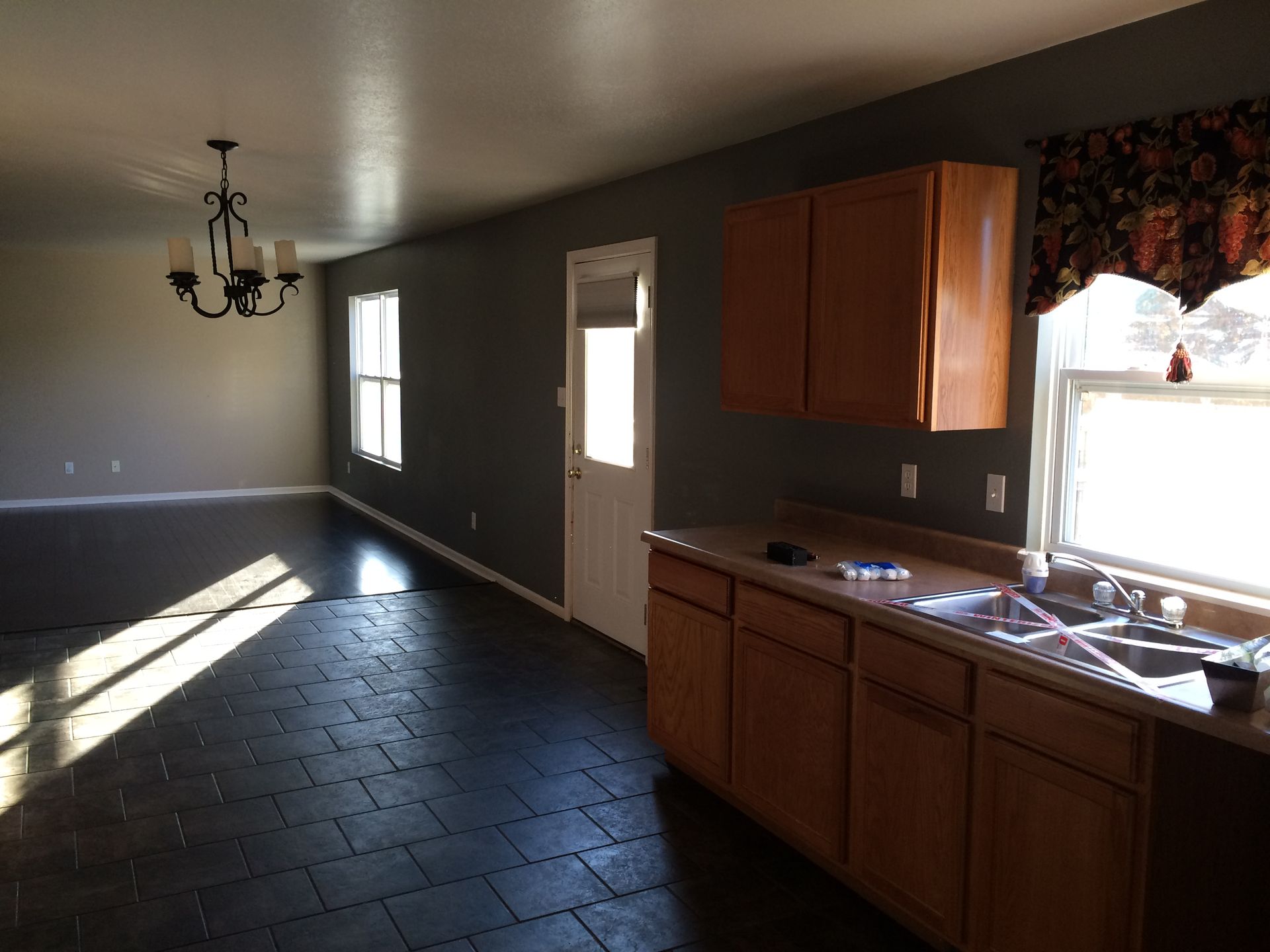
Surfaces Built for Daily Traffic and Long-Term Wear
Tile & Flooring Installation in Royal Oak for homeowners replacing worn floors, upgrading to moisture-resistant materials, or completing remodeling projects that require durable finish surfaces
Flooring failures in active households typically start with subfloor issues rather than surface material problems—tile cracks because the substrate flexes, hardwood planks cup because moisture barriers weren't installed, or luxury vinyl develops gaps because the underlayment wasn't leveled before installation. Gnome Built LLC handles flooring installation by addressing subfloor preparation first, removing old materials, checking for structural deflection, and ensuring that the base surface is level, dry, and stable before any finish flooring is laid. The installation process varies significantly depending on material type, room use, and moisture exposure, with kitchens and bathrooms requiring different approaches than living areas or bedrooms.
This service includes tile removal when existing installations have failed, subfloor leveling using appropriate compounds based on the flooring type being installed, and precision cutting and layout that accounts for room dimensions, doorway transitions, and how the floor pattern interacts with cabinetry and fixtures. Moisture-resistant materials like luxury vinyl plank and porcelain tile are commonly installed in Michigan basements because concrete slabs transmit ground moisture even without visible water intrusion.
Schedule a flooring consultation to review material options suited to your room conditions and discuss installation methods that prevent common failure patterns.
Why Subfloor Preparation Determines Flooring Performance
Proper flooring installation begins with measuring subfloor flatness across the installation area because variations exceeding manufacturer specifications cause tile lippage, laminate locking systems to separate, and hardwood to develop squeaks as fasteners loosen. Leveling compounds are applied where needed, with curing times respected before flooring proceeds, and transitions between different flooring types are planned so that height differences don't create tripping hazards or gaps that collect debris.
Once installation is complete, tile grout lines remain consistent without lippage because substrate preparation eliminated high spots, hardwood planks don't develop gaps during winter heating seasons because acclimation allowed moisture content to stabilize before installation, and luxury vinyl transitions stay secure because trim was scribed to floor contours rather than forced flat. Bathroom floors shed water toward drains without puddling because slight slopes were maintained during leveling.
Flooring installation includes trim work and threshold transitions that finish edges cleanly, preventing exposed underlayment or gaps where baseboards meet flooring surfaces. Materials are selected based on moisture exposure, with ceramic tile and luxury vinyl preferred in areas where water contact occurs regularly and engineered hardwood used where dimensional stability matters more than waterproof performance.
Common Flooring Questions From Royal Oak Homeowners
Choosing flooring materials and understanding installation requirements helps prevent premature wear and finish failure.
What causes tile installations to crack or become loose over time?
Subfloor movement from inadequate joist spacing or improper underlayment allows tile and grout to flex beyond their capacity, while skipping waterproof membranes in wet areas lets moisture reach the substrate and degrade adhesive bonds.
How does subfloor preparation affect laminate and luxury vinyl performance?
These materials require flatness within 3/16 inch over 10 feet because high spots create voids underneath that cause planks to deflect when walked on, leading to locking system failure and surface cracking.
Why do hardwood floors gap or cup in Southeast Michigan homes?
Winter heating cycles drop indoor humidity levels and cause boards to shrink, while summer humidity without adequate ventilation allows moisture absorption that makes planks swell and cup, both issues worsened when acclimation periods are skipped before installation.
When should homeowners choose moisture-resistant flooring over traditional hardwood?
Kitchens, bathrooms, laundry rooms, and basements experience enough moisture exposure that solid hardwood risks cupping and finish degradation, making luxury vinyl plank, porcelain tile, or engineered hardwood with waterproof cores more reliable long-term.
What trim details complete a professional flooring installation?
Baseboards are scribed to follow floor contours, transitions between flooring types use reducers or t-moldings sized to match height differences, and doorway thresholds are installed flush to prevent tripping while allowing flooring expansion space underneath.
Gnome Built LLC completes flooring installations with attention to subfloor conditions, material acclimation, and finish details that extend performance and prevent common failure modes. Reach out to discuss flooring upgrades and request material recommendations based on your room use and moisture conditions.