Coatings That Protect and Refresh Surfaces
Interior & Exterior Painting in Royal Oak for homeowners updating cabinetry, refreshing trim, or protecting siding and exterior surfaces from Michigan weather exposure
Paint failures typically result from inadequate surface preparation rather than coating quality—exterior paint peels because loose material wasn't scraped and bare wood wasn't primed, cabinet finishes chip because grease residue prevented adhesion, and trim develops visible brush marks because surfaces weren't sanded smooth before application. The painting process begins with cleaning, patching, sanding, and priming so that topcoats bond properly and cure to a uniform finish that resists wear and moisture intrusion. Gnome Built LLC handles residential painting for interiors, cabinetry, trim, siding, and exterior surfaces, with preparation methods adjusted based on substrate condition and exposure to moisture, temperature swings, and UV radiation.
This service includes cabinet refinishing that updates kitchen and bathroom finishes without full replacement, pressure washing prep for exterior surfaces to remove dirt and mildew before painting, and trim painting that produces sharp lines where walls meet ceilings or different colors transition. Michigan weather exposure requires durable exterior paint systems because freeze-thaw cycles stress coatings, ice dams allow moisture behind siding, and summer humidity slows curing times if application timing isn't managed properly.
Schedule a painting estimate to review surface conditions and discuss color options that modernize interiors or improve exterior curb appeal.
Why Surface Preparation Determines Coating Performance
Proper painting begins with evaluating what's being coated and how it will be used—high-contact areas like cabinet doors and trim require harder finishes that resist abrasion, exterior siding needs UV-resistant coatings that flex with temperature changes, and moisture-prone surfaces like bathroom ceilings benefit from mildew-resistant formulations. Sanding removes gloss from previous coatings so new paint bonds mechanically, patching fills dents and nail holes so they don't telegraph through topcoats, and priming seals porous surfaces and blocks stains from bleeding into finish layers.
Once painting is complete, you notice that cabinet doors close without sticking because finish thickness was controlled through proper application techniques, trim lines stay sharp without paint bleeding under tape because edges were sealed before rolling, and exterior siding sheds water consistently because coatings were applied at proper mil thickness with overlapping passes that prevent thin spots. Colors remain consistent across surfaces because lighting conditions and sheen levels were considered during selection.
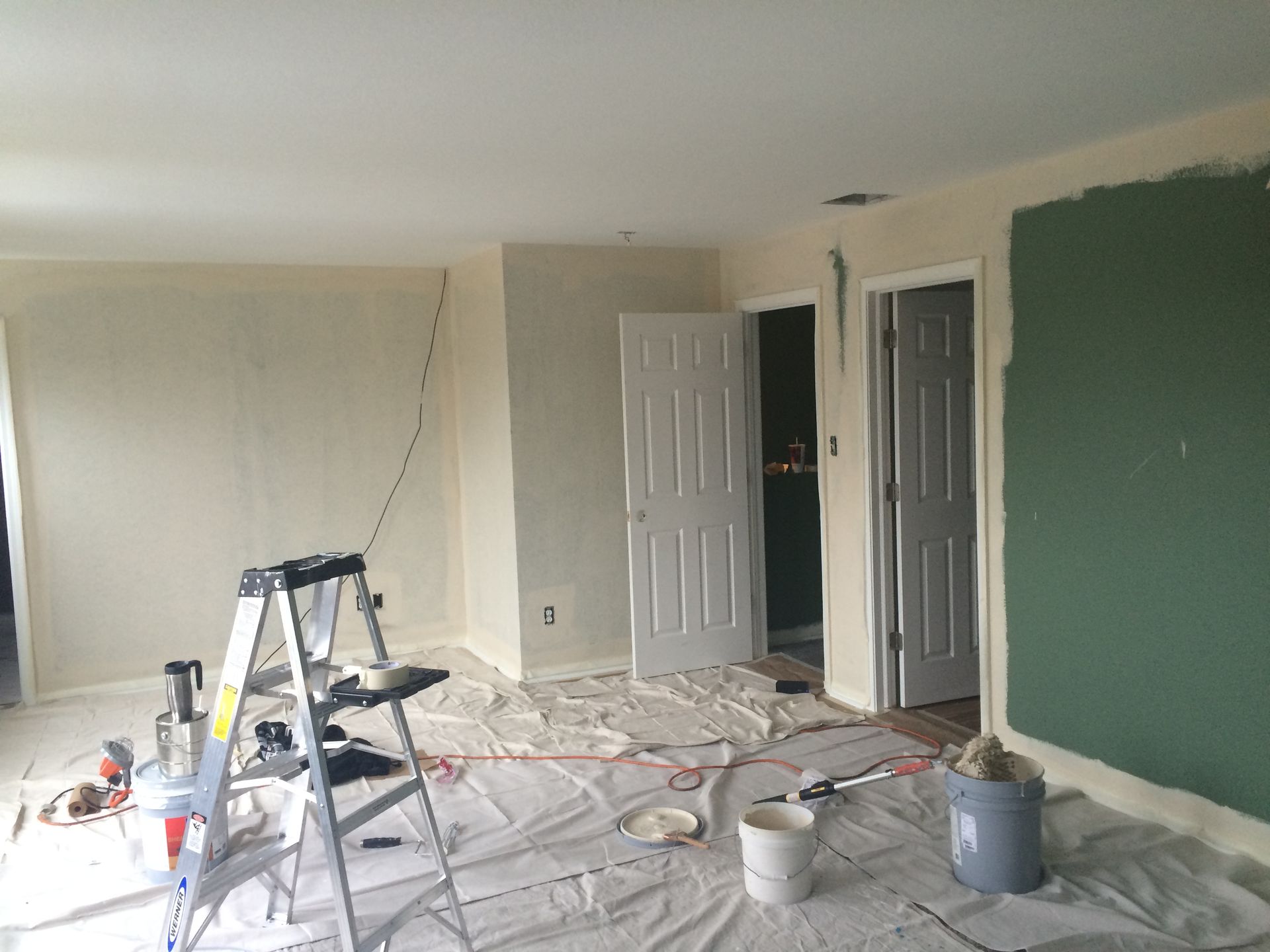
Painting projects include protecting surrounding surfaces with drop cloths and masking, back-rolling sprayed coatings to ensure proper adhesion and uniform texture, and applying multiple thin coats rather than single heavy layers that sag or dry unevenly. Exterior work is scheduled during moderate temperature windows because coatings applied during high heat or cold cure improperly and develop adhesion or durability problems.
Questions About Residential Painting Projects
Choosing appropriate coatings and understanding preparation requirements helps ensure painting projects deliver lasting results and visual appeal.
What surface prep is required before painting kitchen cabinets?
Doors are removed and hardware stripped, surfaces are cleaned with deglossers to remove grease and oils, existing finishes are sanded to provide mechanical bite, and stain-blocking primer is applied before topcoats to prevent tannin bleed-through.
How does Michigan weather affect exterior painting timelines in Royal Oak?
Coatings need temperatures above 50 degrees and below 85 degrees during application and curing periods, with low humidity preferred so solvents evaporate properly, making spring and fall ideal while summer humidity and winter cold create application challenges.
Why do some painted surfaces develop peeling or blistering within a year?
Moisture trapped behind coatings from inadequate drying time between coats, lack of primer on bare wood, or painting over wet surfaces causes adhesion failure, while direct sun exposure during application can skin over paint before solvents escape and create blisters.
When should homeowners repaint exterior siding and trim?
Chalking when you rub the surface and color transfers to your hand, cracking or alligatoring in the finish layer, and bare wood exposure from peeling indicate coating failure and the need for surface prep and repainting to prevent wood rot and structural damage.
What makes trim painting look clean and professional?
Sharp color transitions require proper taping technique with edges sealed before painting, consistent sheen levels across surfaces prevent patchy appearance, and sanding between coats removes brush marks and nibs so final finish cures smooth and uniform.
Gnome Built LLC completes painting projects with attention to surface preparation, application techniques, and coating selection that produce durable finishes and clean visual results. Set up a color consultation to review painting options for your interior refresh or exterior protection project.